





Skip to content

Consultation

Softeners.

For lines that come from expression, forehead, frown, crows feet, brow, chin, the downturn of the mouth. Subtle, considered, never overdone.

Enquire

What softeners are, and what they aren’t.

Softeners apply to the category of treatment that uses a small, precise dose of a prescribed product to temporarily reduce the activity of a specific facial muscle. The skin stops being pulled in the same places, and the lines driven by expression gradually soften.

Most softener work is about expression lines, forehead, frown (the vertical "11s" between the brows), crows feet at the outer eyes, lines around the mouth. A brow lift uses the same mechanism in reverse: by relaxing the small muscles that pull the outer brows down, the natural lifters above are left free to lift the brow a millimetre or two on their own. Same family of treatment, different anatomy.

Every Lux Lab injectable treatment is preceded by a consultation and written prescription from a doctor or nurse practitioner, this is a regulatory requirement, and is included in your consultation.

By area.

  • Forehead softener

    (1)

  • Frown lines (the "11s")

    (2)

  • Crows feet softener

    (3)

  • Brow lift enhancer

    (4)

  • Bunny lines

    (5)

  • Gummy smile

    (6)

  • Chin softener

    (7)

  • Lip lines

    (8)

  • Downturn of the mouth

    (9)

  • Facial slimming

    (10)

  • Nefertiti neck lift

    (11)

  • Hyperhidrosis

    (12)

In detail.

An anatomical breakdown of each area, what causes the change, and how the treatment works there.

Forehead softener

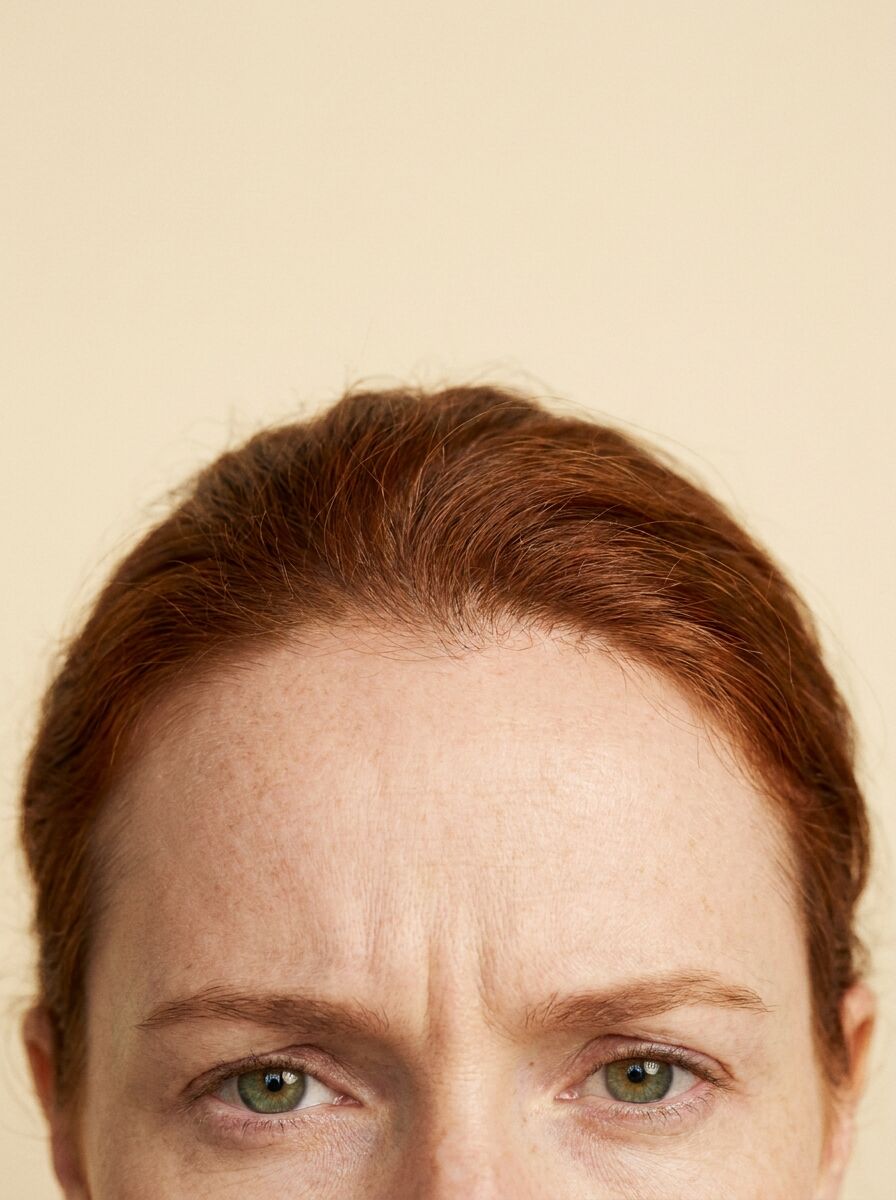
The lines we treat across the forehead are horizontal creases that form along the frontalis, the broad sheet of muscle that runs from the hairline down to just above the brow. Every time you raise an eyebrow, look surprised, lift the brow to focus, or open the eyes wider in low light, the frontalis contracts and the skin above it folds with it. After enough years of folding in the same places, the skin holds the fold even when the muscle is at rest. That is what most people describe as their forehead lines.

A forehead softener places small, precise doses at planned points across the frontalis, adjusted to the muscle pattern Tara observes on animation. The treatment temporarily reduces how strongly the muscle can contract, so the skin above stops being pulled into the same crease over and over. The static lines that have already formed gradually soften as the underlying muscle activity is reduced, preventing the skin from repeatedly reinforcing the creases.

The effect begins to work around day five and reaches full strength at the two-week mark. A typical forehead softener lasts three to four months depending on individual patient pathophysiology. Bruising and minor headache can occur in the first 24 hours, the result is dose-dependent, and the effect is not permanent.


Frown lines (the "11s")

The vertical lines between the brows, what most people call the "11s", are driven by three small muscles working together. The corrugator supercilii pulls the brow inward and down. The procerus pulls the inner brow downward toward the bridge of the nose. The depressor supercilii, a smaller muscle that sits just above the medial brow, contributes to the inward pull. All three fire together every time you frown, squint, concentrate at a screen, or feel the sun in your eyes. Over decades that becomes a permanent vertical crease, even when the face is at rest.

Treatment is a few small doses placed precisely into the corrugators, procerus and depressor supercilii. The aim is to reduce how strongly these muscles can contract without affecting the surrounding frontalis above. The face still moves, expressions still register, but the inward pull of the brow softens, and the lines between the brows soften with it.

The frown is usually the first area to show treatment effect, often within three to five days, with the full result at two weeks. Frown treatment typically lasts three to four months. For deeper static lines that have set into the skin, two or three treatment cycles over a year often produce a more lasting softening than any single treatment, as the skin gradually unlearns the crease. As with any injectable, temporary bruising or mild asymmetry is possible, and Tara reviews each patient at two weeks to assess and adjust if needed.

Crows feet softener

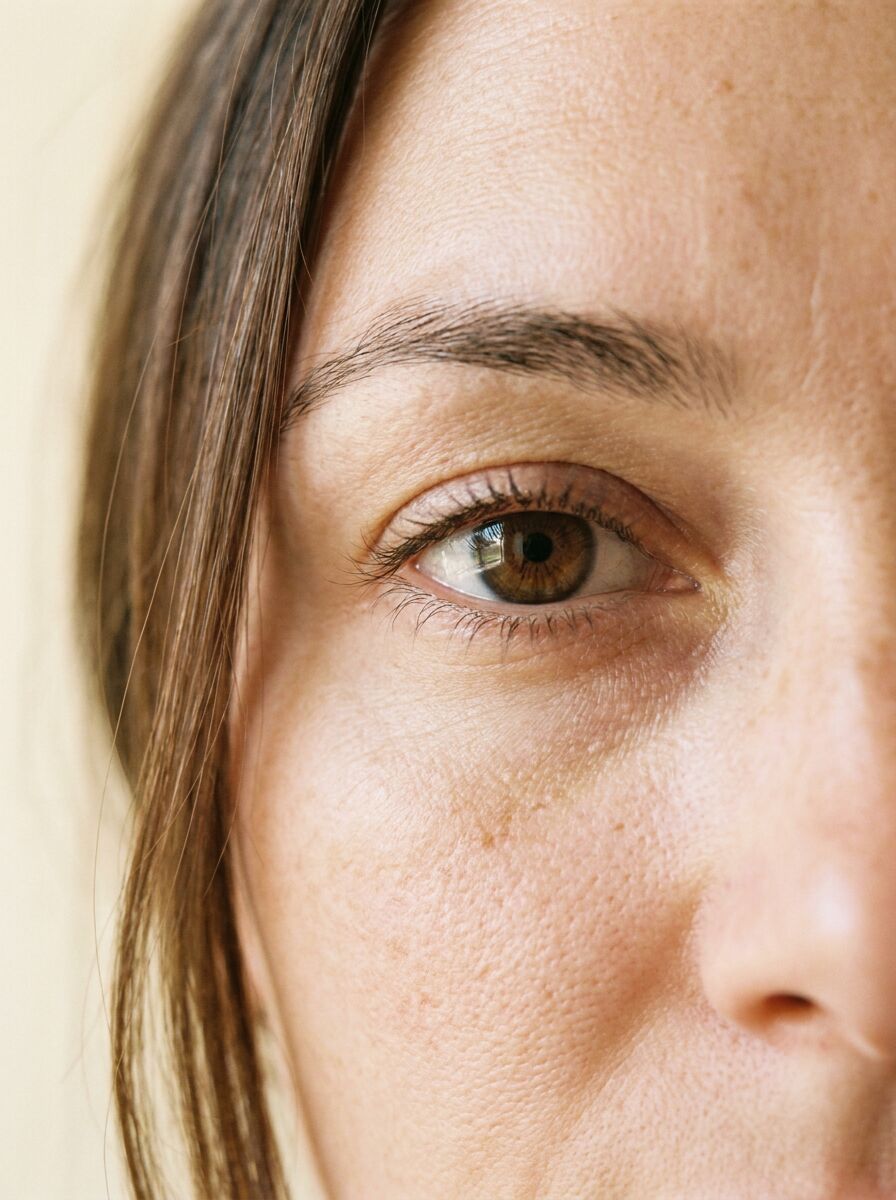
Crows feet are the fan of fine lines that radiate from the outer corner of each eye. They are caused by the orbicularis oculi, the circular muscle that surrounds the eye and contracts every time you smile, squint, laugh, or close your eyes against bright light. The skin around the eyes is some of the thinnest on the body, so it shows muscle activity earlier and more visibly than the skin elsewhere on the face.

Treatment places small doses into the lateral fibres of the orbicularis oculi, away from the inner eye. The aim is to reduce the strength of the contraction at the outer corner so the skin there stops folding in the same fan pattern. The smile itself is preserved.

Crows feet usually show treatment effect within five to seven days, with full result at two weeks. Effect lasts three to four months. For some clients, treatment is most effective combined with skin-quality work in the same area (bio-remodelling, biostimulators or skin needling), because the visible signs of ageing around the eye are a mix of muscle activity and the thinning of the skin itself. Treatment effect can soften the smile if dosed too aggressively, which is why dosing here is individually assessed by Tara.

Brow lift enhancer

The brow is held in place by a balance of muscles working in opposition. The frontalis pulls the brow upward. The lateral fibres of the orbicularis oculi pull the outer brow downward; the depressor supercilii and corrugator supercilii pull the medial brow downward. With age, the downward pull tends to win at the outer brow specifically, which makes the upper eye look heavier and the face look more tired than you feel. A brow lift enhancer works on that balance.

Treatment places small doses into the lateral fibres of the orbicularis oculi, at the outer brow and tail, where they oppose the downward pull. With those fibres temporarily relaxed, the upward action of the frontalis is less opposed at the outer brow, and a 1 to 3 millimetre lift appears gradually over the following two weeks. The lift is primarily lateral; the medial brow is rarely treated for elevation. This treatment is not a substitute for a surgical brow lift in patients with significant brow descent.

The lift appears gradually over the first two weeks and is usually subtle. The treatment lasts three to four months and is often combined with a forehead softener so the frontalis above does not over-compensate. Effect varies between patients; results that exceed a few millimetres are uncommon and should not be expected.

Bunny lines

Over time these lines can become etched into the skin. Using a very fine needle, softening treatment to each side of the nose and just below the bridge can soften and smooth these lines.

Gummy smile

Carefully placed softening treatment can subtly relax the muscles that raise the upper lip, thereby preventing an excessive display of gum and creating the appearance of a subtle fuller top lip. Not all patients are suitable candidates for this treatment, so each patient is carefully assessed to achieve the best possible aesthetic result.

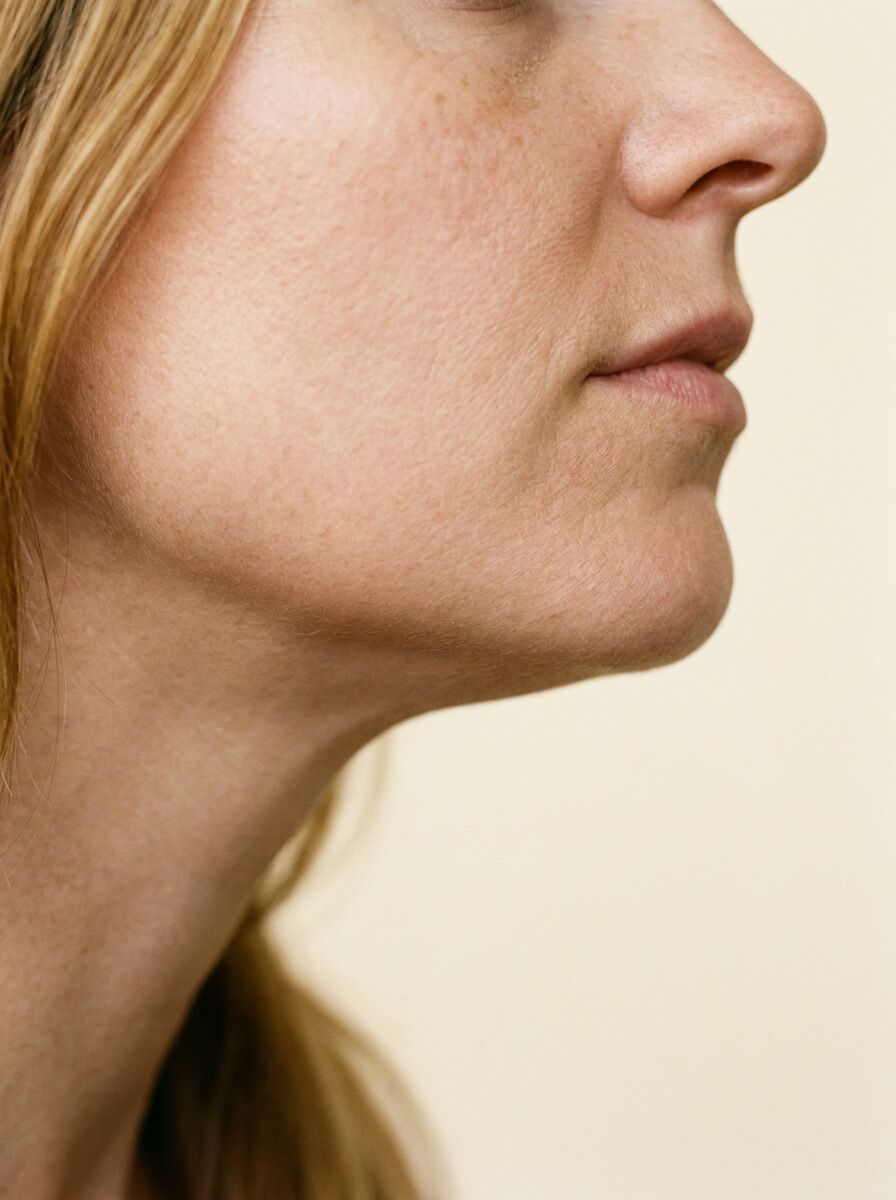
Chin softener

The dimpled, orange-peel texture that appears on the chin during speech, smiling, or expressions of doubt is caused by the mentalis, a paired muscle that originates from the mandible just below the gum line and inserts into the skin of the chin. It contracts every time you raise the lower lip, express doubt, or speak emphatically. Some faces show it constantly, even at rest; others only when the lower face is engaged. It is one of the few areas of facial expression where the muscle activity is rarely intentional, and once people notice it in photos, they tend to notice it everywhere.

A chin softener places small doses into the body of the mentalis. The aim is to reduce the muscle contraction and cobblestone effect without flattening the shape of the chin itself. Done well, the chin still moves and shapes naturally during speech, but the surface appears smoother while maintaining chin projection.

Effect appears in the first week with full result at two weeks. Lasts three to four months. Chin work is often combined with a softener of the downturn of the mouth or a small amount of volumiser at the chin point, depending on the anatomy. We view the lower face as one connected system at the consultation rather than treating any single point in isolation. Speech and lower-lip function are preserved at correct dose; over-treatment can cause temporary difficulty with pronouncing certain sounds.

Lip lines

Occasionally these lines can be genetic. Softening treatments can relax the muscle, thereby smoothing these lines.

Downturn of the mouth

The corners of the mouth sit between two opposing muscle groups: those that lift the corner during a smile, and the depressor anguli oris (DAO), a thin triangular muscle that pulls each corner of the mouth downward. With age and gravity, the DAO tends to win at rest, and the mouth begins to sit with a subtle downward turn even when the face is neutral. That is what most people are describing when they say their face looks sadder or more tired than they feel.

Treatment places a small dose into each DAO. The aim is to reduce its downward pull at rest, which allows the natural lifting muscles around the mouth to bring the corners back to a neutral position. The smile is preserved. The face simply rests in a position that looks closer to how you feel inside.

Effect appears in the first week and reaches full result at two weeks. Lasts three to four months. The downturn-of-mouth treatment is one of the smaller in the softeners family, but it is often the one patients are most surprised by, because the change reads in resting photos before it reads in the mirror. Asymmetry is possible if the corners of the mouth respond unevenly; a small adjustment at the two-week review usually resolves this.

Facial slimming

Heart shaped faces are considered more attractive and feminine. Softening treatments to the masseter muscles relax and reduce the size of the muscle, thereby slimming the face, creating a more desirable heart-shaped or angular face and alleviating teeth grinding and/or TMJ pain. Not all patients are suitable candidates for facial slimming, therefore each patient is assessed individually.

Nefertiti neck lift

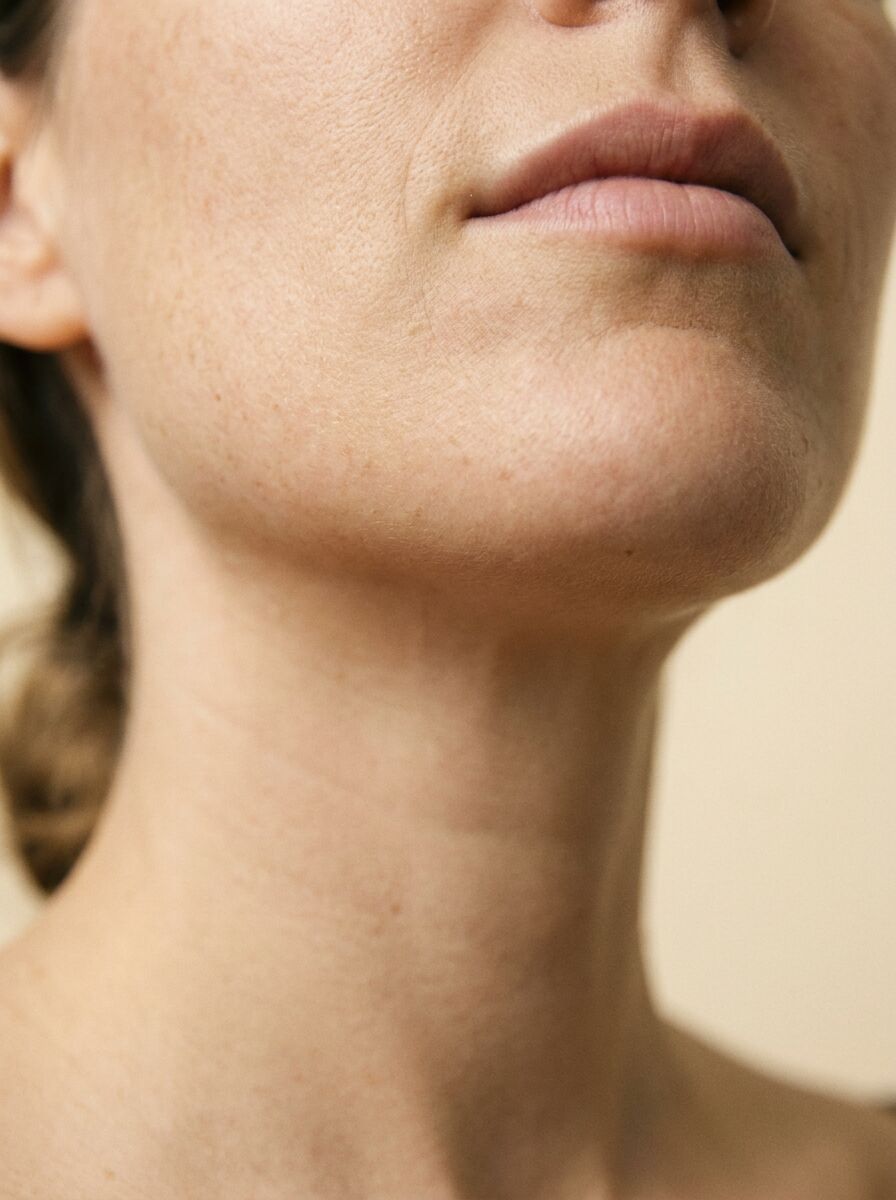
Treatment with softeners relaxes and lengthens these bands, thereby improving the appearance of the neck and jawline and restoring a more youthful appearance.

Hyperhidrosis

Hyperhidrosis is the medical term for excessive sweating beyond what the body needs to regulate temperature. It most commonly affects the underarms, palms, soles, scalp, or forehead, and can be socially limiting or genuinely uncomfortable depending on severity. It is not a hygiene issue, it is a function of overactive sweat glands.

Treatment uses the same family of prescribed product used for facial softeners, applied here at a different depth and to a different target. Small doses are placed very superficially into the dermal and subcutaneous tissue overlying the sweat glands of the affected area. The product temporarily blocks the release of acetylcholine at the sympathetic nerve endings that activate eccrine sweat glands. The sweat response in the treated area reduces significantly within a week, with most patients reporting a marked improvement in everyday comfort.

Hyperhidrosis treatment typically lasts four to six months before a top-up is needed. Most patients book twice a year. Tara assesses the affected area at consultation and discusses dosing and expected outcomes specific to your concern, including realistic limits of what the treatment can achieve. The treatment reduces but rarely eliminates sweating, and is not appropriate for patients with certain neuromuscular conditions, which Tara screens for at consultation.

What to expect.

Common questions.

  • Do I need a consultation before treatment?

    Yes. Under Australian regulations, a prior consultation is mandatory for all new patients considering cosmetic injectable treatments, including discussion of the associated costs. This ensures your health, suitability, and treatment goals are appropriately assessed before any prescription product is prescribed.

  • Will treatment be performed on the same day as my first consultation?

    Yes. All new patients require a consultation before prescription cosmetic injectable treatments can proceed. In many cases, treatment can be performed on the same day once you have been appropriately assessed and a prescription has been issued by the Doctor or Nurse Practitioner.

  • I'm an existing client. Do I need another consultation?

    If you've had a prior consultation at Lux Lab and your medical history and goals haven't changed, you can book your softener treatment directly via the enquiry form. New concerns, a change in medical presentation or medical history, or a long gap between visits (greater than 6 months) will prompt a new consult.

  • How long does the consultation take?

    Around 15 to 20 minutes for first-time visits. Tara takes the time to assess the face at rest and on animation, walk you through the treatment plan, discuss potential risks and assess risk versus benefit, outline associated treatment costs, and answer any questions, and obtain written consent and a valid prescription in consultation with the Doctor or NP before any treatment is performed.

  • Is the consultation free?

    Yes. Lux Lab offers a free consultation for all clients. You are provided with a treatment plan, cost estimate and no obligation to proceed.

  • Is there downtime?

    Minimal downtime post softeners. Small marks at the injection points may appear and settle within a few minutes to hours. Whilst rare, swelling or bruising at the injection sites usually fades within 24 to 48 hours. Plan to avoid heavy exercise, alcohol, and direct heat (e.g. saunas or hot yoga) for the rest of the day, and avoid lying flat for four hours post injection.

  • When will I see results?

    Softeners take approximately 5 days to begin working and reach their full effect around the two-week mark. Tara books a complimentary review at the two-week mark for all patients post treatment.

  • How do I prepare?

    Avoid alcohol and anti-inflammatories like ibuprofen for 24 hours beforehand. Come with a clean face. If you wear makeup, Tara will remove it prior to any treatment. Bring a list of any medications and previous cosmetic treatments if applicable.

  • How long do softeners last?

    Most softener treatments last three to four months, with the exact duration depending on the area treated, the dose, the patient's metabolism, and how active the underlying muscle is. The frown area often lasts longer than the forehead; very active muscles return to baseline sooner.

  • At what age should I start softeners?

    There is no single right age. Tara assesses the resting position of the face and the early signs of static lines forming, rather than going by chronological age. Some patients benefit from a small dose in their late twenties for prevention; others come in their fifties for the first time and see meaningful change.

  • Are softener treatments safe?

    The category of products used in softener treatments has been in clinical use for cosmetic indications since the early 1990s and is one of the most studied injectables in medicine. The safety profile is well-established when administered by an appropriately trained registered nurse with prescriber oversight. Lux Lab works to AHPRA's 2 September 2025 guidelines for non-surgical cosmetic procedures.

  • Where in Tweed Heads is Lux Lab located?

    Lux Lab is a private studio in Tweed Heads, NSW. Patients travel in from across Coolangatta, Kingscliff, Murwillumbah, and the southern Gold Coast. Appointments are by reservation; the studio is not a walk-in clinic.

  • Is Lux Lab supervised by a doctor?

    Yes. Every cosmetic injectable treatment includes a doctor or nurse-practitioner consultation and prescription, issued prior to any treatment.

Considered consultations, by appointment.

Enquire